
Expert Cancer Care
Led by Compassion



Where Innovation and Care Come Together
At Stanford Medicine Cancer Center, our Circle of Care approach ensures an unwavering focus on you and your quality of life. You have a team of renowned surgical oncologists, medical oncologists, radiation oncologists and more working together to meet your unique needs. As leaders in cancer care and research, we translate innovations into advanced treatments for our patients and for people around the world. We offer the latest diagnostics, treatments, and clinical trials. And our convenient locations and wide range of support services—designed to help you and your caregiver navigate your condition—make it easy for you to get the care you deserve.


Your Circle of Care
A cancer diagnosis affects more than your physical wellbeing. It can disrupt your family life, work, social relationships, and your very sense of security. Our signature Circle of Care approach is here to guide you and your caregivers. We listen carefully to understand your unique situation and then we bring together experts including doctors, specialists, nurses, and care coordinators to create a plan just for you. With a team on your side and a wide range of support services, you receive a complete, coordinated experience. Learn what to expect and see how we put you at the center of care.
Cancer Webinar Series
Explore a series of webinars on the role of physical and emotional wellness throughout your cancer journey. Hosted by the Stanford Medicine Cancer Survivorship Program.
Innovation Through Clinical Research
Some of Silicon Valley’s brightest scientific minds are at the Stanford Cancer Institute and the Stanford Medicine Cancer Center. Medical discoveries and clinical advances happen here. Our physicians and scientists work every day to improve cancer prevention, detection, and care. We offer advanced diagnostics, the latest treatment technologies and techniques, and pioneering therapies in development through clinical trials. Let us put innovation to work for you.
PARTNERING FOR EXCELLENCE
The Stanford Medicine Cancer Center is part of the Stanford Cancer Institute, an NCI-designated comprehensive cancer center.
Access to Excellence
We make access to care as simple as possible. We anticipate what you need and provide support when you need it. Our network of locations puts our services within your reach. User-friendly digital health tools help you stay connected with your care team. We accept most insurance plans and offer discounted transportation, short-stay options, and international travel and translation services. We help make sense of the details, so you can make decisions that are right for you.
“Having the team just makes me feel like, okay, we can do this. It’s going to be okay.”
—Jessica, patient

Cami’s Story: World-Class Expertise.
The Convenience of Home.
Imagine learning that you have a rare cancer, but limited treatment resources where you live. That was Cami’s experience, until she connected with Stanford Health Care’s Online Second Opinion Program. From the comfort of her home, she accessed highly-specialized expertise and new options for treatment.

Parul’s Story: When It Matters Most
During a routine 38-week ultrasound for her second pregnancy, Parul felt a lump in her left breast. For Parul, who had a known genetic risk for breast cancer, the lump set off alarm bells. Just days after delivering a healthy baby girl, she received the news she had cancer. Parul credits her health today to the care she received at Stanford Health Care, and to the knowledge she gained from genetic testing.
The Stanford Cancer Institute:
Translating Discoveries Into Care
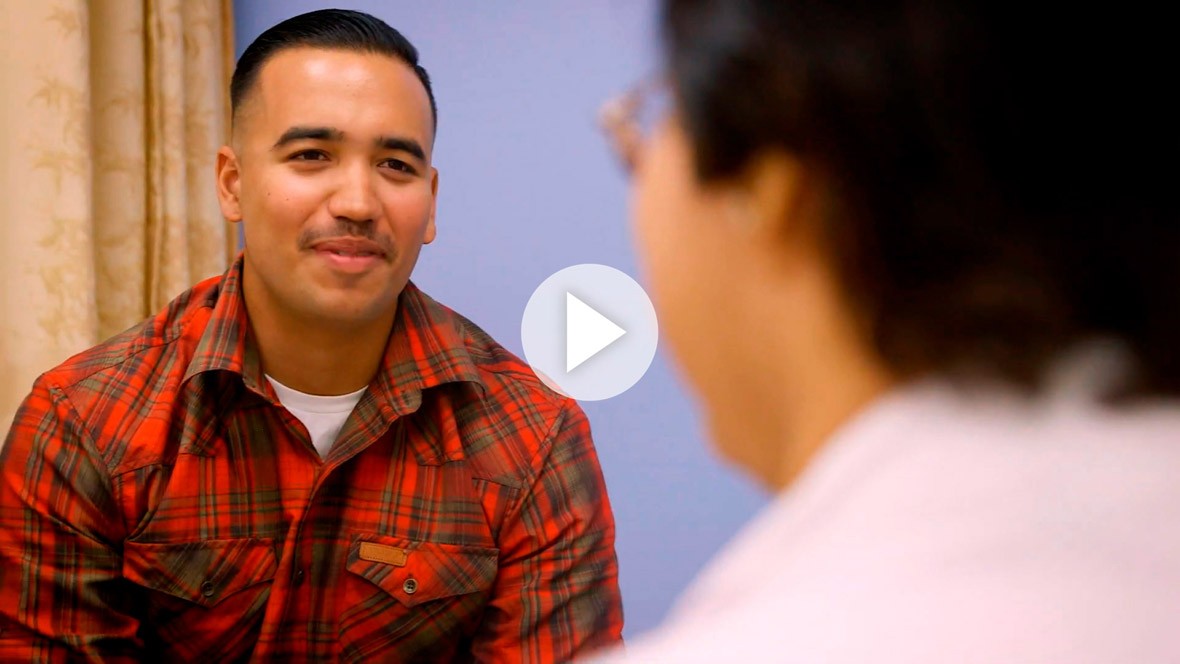
What sets the Stanford Cancer Institute apart is its tireless quest to advance global understanding of how to predict, prevent, and cure cancer. Over 450 faculty members collaborate and interact to bring all of their expertise to the benefit of the patient. From pioneering expertise in cell therapy to leading-edge research, see how we are transforming cancer treatment.
Cancer Webinar Series
Would you like to learn new ways to enhance your physical and emotional wellness during your cancer journey? Explore a series of webinars featuring patients, survivors, and caregivers sharing important insights about how to manage stress, anxiety, and more. Hosted by the Stanford Medicine Cancer Survivorship Program.



Learn about our joint venture with Sutter Health -- the Stanford Medicine | Sutter Health Cancer Collaborative
New Patients
Current Patients
Our Locations
With MyHealth, managing your care has never been easier, for both your regular checkups and hospital stay. Make appointments and message your doctors. View test results, pay medical bills, renew prescriptions and more.
Have a question? Visit our MyHealth FAQ to get answers fast.
Create New AccountReturning Patient
To make an appointment with one of our cancer specialists, call 650-498-6000.